Explainer
DOOH advertising, explained. From one screen to a Bengaluru campaign.
Digital out-of-home is outdoor advertising sold by the second instead of by the month. Here is how screens, slots, loops and booking fit together.
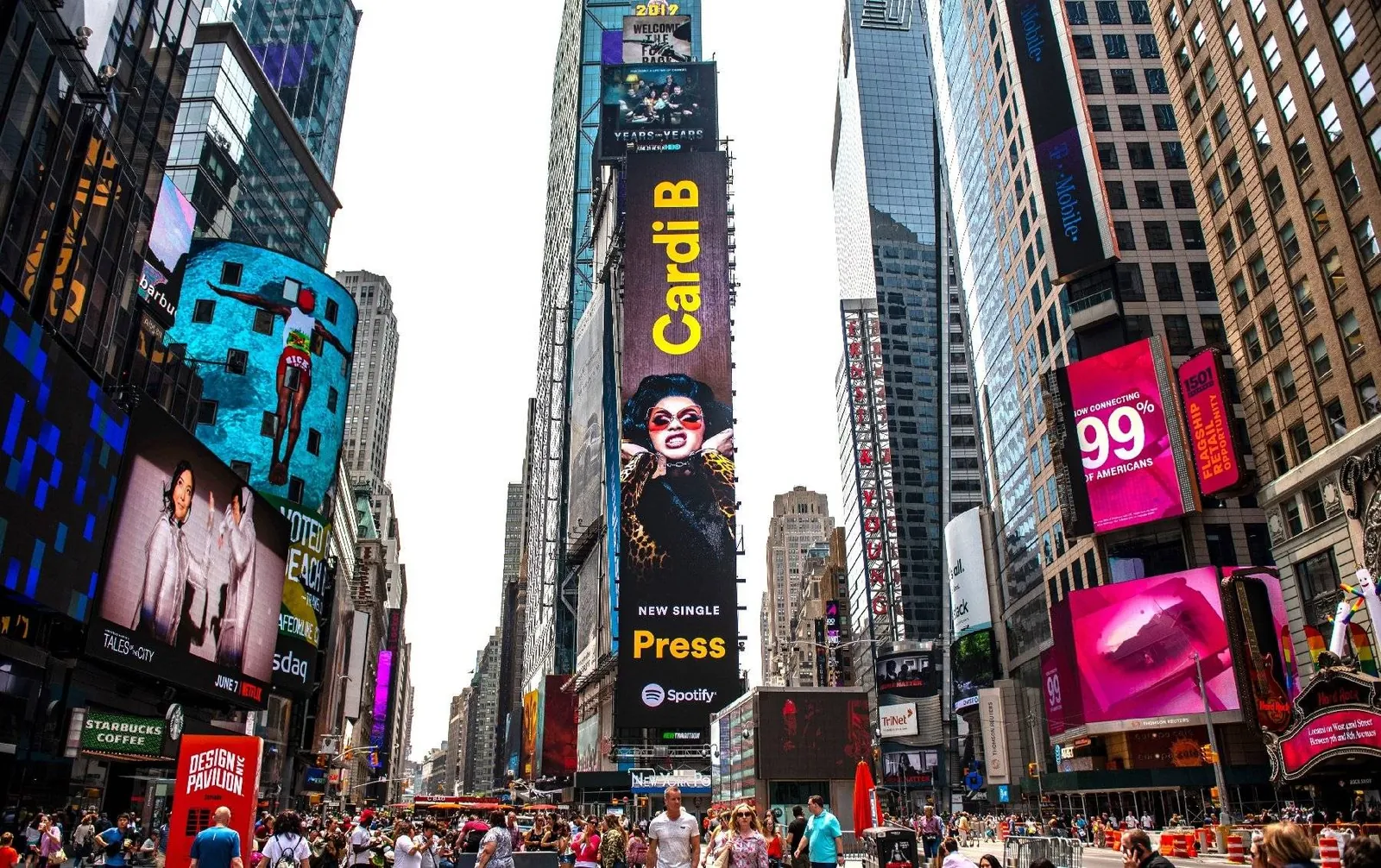
A printed hoarding sells you a surface for a month. DOOH, digital out-of-home, sells you time on a screen: ten or fifteen seconds, repeated through the day, at the hours you choose. So a café in Koramangala and a jeweller on Commercial Street can use the same screen at different hours, without a single print run. Here is how DOOH advertising works, from the screen on the wall to the booking on your phone.
The short version
- DOOH is advertising on networked digital screens in public places: roadside LED billboards, building facades, street furniture, and mall and office-lobby screens.
- You buy slots in a loop, not a surface. A 10-second slot in a 60-second loop plays 60 times an hour.
- Dayparting lets you pay only for the hours your customers are nearby.
- The creative is made for the screen: its pixel size, no sound, readable in a few seconds.
- On the PixelSpot DOOH marketplace you pick screens on a map, set a schedule, upload your artwork and pay for the plays that run.
What is DOOH advertising?
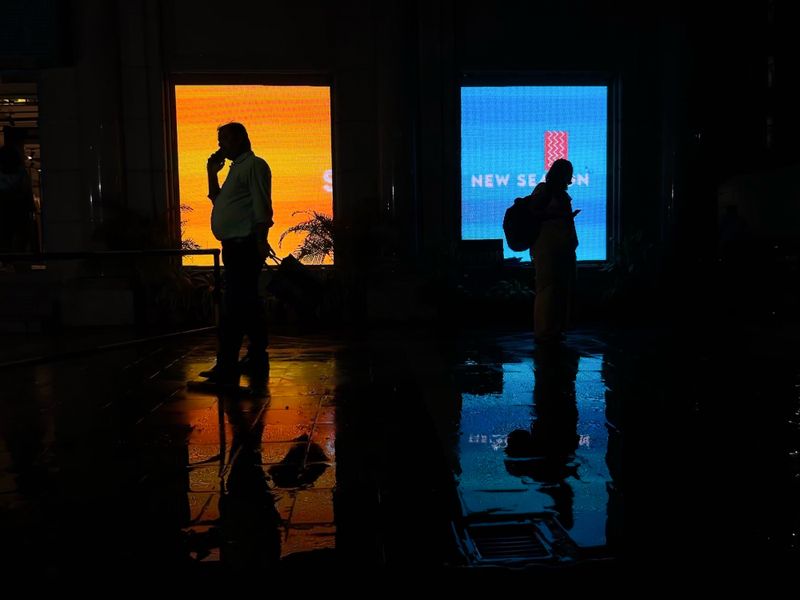
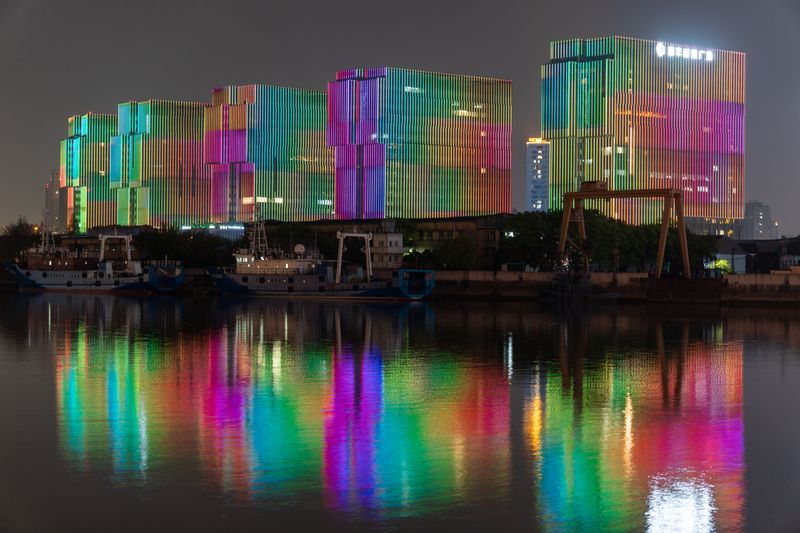
Any digital screen in a public place that carries paid advertising is DOOH. The PixelSpot marketplace groups them into four families. LED billboards stand at junctions and on building faces. Highway boards give long exposure to commuters. Street furniture puts screens at eye level on bus shelters, kiosks and pedestrian zones. Corporate lobbies carry screens in IT parks and co-working spaces, where the audience is people at work.
What separates DOOH from a flex hoarding is the network. The screen is online, so the content changes remotely and several advertisers share the same face. A hoarding on Old Airport Road shows one brand until someone climbs up with a new print. A screen in the same spot can show a bank at 9 am, a restaurant at 1 pm and a film release at 7 pm. What is inside the screen itself, from the diode to the cloud, is in LED display technology, explained.
How do slots and loops work?
A screen runs a loop: a playlist of slots that repeats all day. The loop length and the slot length decide how often your ad appears and how many other brands share the screen. The arithmetic is simple, and worth doing before you pay for anything.
| Loop | Slot | Slots per loop | Your plays per hour | Your plays in 12 hours |
|---|---|---|---|---|
| 30 seconds | 10 seconds | 3 | 120 | 1,440 |
| 60 seconds | 10 seconds | 6 | 60 | 720 |
| 60 seconds | 15 seconds | 4 | 60 | 720 |
| 120 seconds | 10 seconds | 12 | 30 | 360 |
Plays for one slot. Most loops also carry the screen owner's own content, so fewer slots are for sale than the loop holds.
A short loop brings your ad round often but shares the screen with fewer brands, and the owner prices that frequency accordingly. A long loop spreads the screen across more advertisers. Neither is better. Before you book, ask for four numbers: loop length, slot length, operating hours and how many slots are sold. Multiply them out and you know exactly what you are buying.
Dayparting: buying the hours that matter
Dayparting means booking your ad into time blocks instead of the whole day. A darshini selling breakfast wants 7 to 10 am. A pub wants 6 to 10 pm. A coaching centre wants the hour parents wait at the school gate. On a flex hoarding all three pay for 24 hours. On a screen, each pays for its own hours.
On the marketplace, this is the second step: choose the days and the hour ranges. On the screen itself, PxlOS runs the schedule, switching playlists by time of day without anyone touching the controller.
Advertising
Idli at 8 am. Biryani at 8 pm.
One screen can carry both, because in DOOH the product is time, not space.
What should a DOOH ad look like?
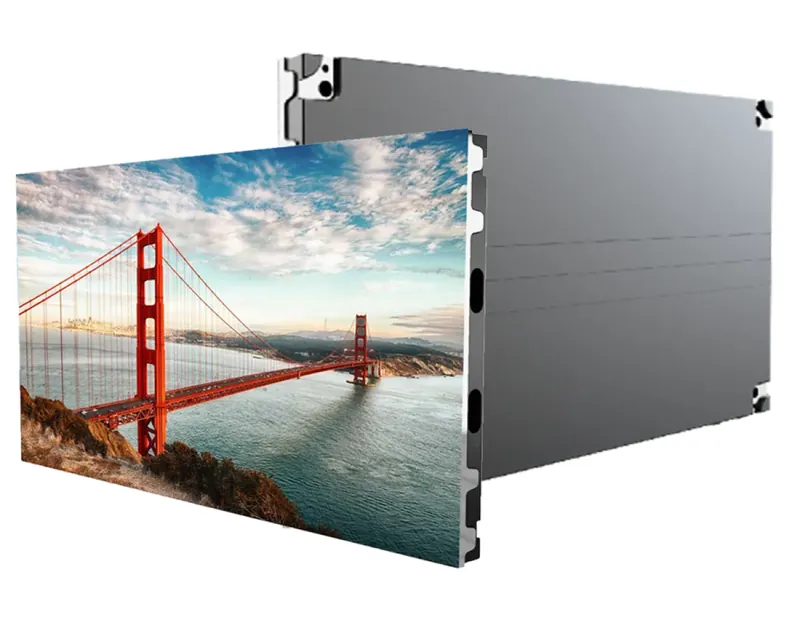
An outdoor screen has fewer pixels than most people expect. A 10 × 6 ft outdoor P4 wall is 762 × 457 pixels. A 12 × 8 ft outdoor P5 wall is about 731 × 487. A 4K file does not look sharper there. It only gets scaled down, and small type blurs on the way. Design at the screen's own size and ratio, and make everything bigger than feels right on your laptop.
- One message: a headline of a few words, your logo and one clear action.
- Readable in the first three seconds, because a driver may not see the rest.
- No sound. Outdoors, nobody hears it.
- High contrast. Bright type on a dark background reads better and draws less power.
- Slow transitions on road-facing screens. Fast motion distracts drivers, and some screen owners and local bodies restrict it.
- One version per screen ratio. A portrait lobby screen and a landscape facade need different layouts.
For layouts that work on LED, see content that works on retail LED screens.
How does booking work on the PixelSpot marketplace?
The PixelSpot DOOH marketplace is self-serve. No agency sits in the middle, and nothing gets printed.
- Pick your screens. Search a city or an address, filter by screen type and tap the screens near your customers.
- Set the schedule. Choose the days and hours. You pay for the plays that actually run.
- Upload and go live. The screen owner approves your creative, and it joins the loop.
- Watch it run. The dashboard shows spend, play count and delivery, and PxlOS logs every playback as proof of play.
Mid-campaign, you can swap the creative, shift budget or move to other screens. You can pay per play, or take a monthly or quarterly plan on screens you want to hold. Rates differ by screen, location and hour, and each screen shows its own before you book, so we don't print a rate card here.
Is DOOH right for your brand?
DOOH works well when your customers pass the same places every day, when the offer changes often, or when timing matters: a weekend sale, a new menu, a launch. It suits a long, detailed message or a film that needs sound far less. And it is never a substitute for being visible at your own door.
If you advertise the same shop every day, a screen of your own may do more. A storefront LED wall works every hour the shop is open, and can sell its spare minutes to others. The advertiser's planning and measurement are in the advertiser's guide to DOOH, and the owner's side in running a wall as a DOOH asset.
Where to go next
The simplest way to think about DOOH: you stop renting a wall and start renting attention by the hour. Buy the hours your customers are on the road, make the ad for the screen, and ask for the play log. The marketplace shows you what is near your customers today.
Questions? Answers.
How much does DOOH advertising cost in Bengaluru?
What is programmatic DOOH?
What size should my DOOH ad be?
Can I change my ad in the middle of a campaign?
How do I know my ad actually played?
See it running. Then decide.
Send your wall size on WhatsApp for a same-day price, or see indoor and outdoor walls running at our Jalahalli East experience centre in Bengaluru.
Prices are estimates: installed, controller extra, plus 18% GST. See every price